
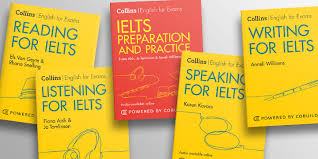
Finding the right ielts preparation books can feel like searching for a needle in a haystack when you first start. There are so many options, and it’s easy to get overwhelmed. What if you pick the wrong ones?
Don’t worry, we’ve got you covered. This guide will make it simple. We’ll walk you through everything step by step.
Get ready to find the perfect books to help you ace your IELTS exam.
Key Takeaways
- You will learn how to identify the best IELTS preparation books for your needs.
- Discover different types of books and what they offer for each IELTS skill.
- Understand how to use practice tests effectively to improve your score.
- Find tips on supplementing your book study with other helpful resources.
- Learn how to make a study plan that works with your chosen books.
- Gain confidence in your IELTS preparation journey.
Choosing Your IELTS Preparation Books
Selecting the right ielts preparation books is the first big step toward a great IELTS score. Think of them as your study companions. They guide you through what you need to know and how to show what you know.
The IELTS exam tests four main skills: Listening, Reading, Writing, and Speaking. Good books will cover all these areas. They should also explain the test format clearly.
This helps you know what to expect on test day.
Many beginners find the sheer volume of available books confusing. They might wonder if they need one book for each skill or a general guide. The truth is, a combination often works best.
Your goal is to find books that are clear, accurate, and provide plenty of practice. We will break down how to pick the very best ones for you.
Official IELTS Materials
When it comes to test preparation, official materials are gold. These are created by the people who make the IELTS exam itself. This means they are the most accurate representation of the actual test.
They use real past exam questions and follow the exact scoring criteria. Using these is like getting a direct line to the exam makers.
The Cambridge IELTS series is the most well-known set of official books. They publish several volumes each year, each containing four full practice tests. These tests are invaluable for simulating the real exam experience.
They include listening scripts, reading passages, and sample writing answers. This allows you to see what a good score looks like.
- Cambridge IELTS Practice Tests
These books offer the most authentic practice. They contain actual past exam papers. This is crucial for getting a feel for the difficulty level and question types.
Practicing with these helps you build familiarity and reduce test day anxiety. You can time yourself just like in the real exam.
- Official Cambridge Guide to IELTS
This book provides a comprehensive overview of the test. It covers each section in detail, explaining question formats and strategies. It also includes tips for improving your scores.
Many students find this book essential for understanding the test structure before diving into practice tests.
Understanding Book Types
IELTS preparation books fall into a few main categories. Knowing these helps you choose what fits your learning style and needs best. Some books focus on general strategies, while others offer intensive practice.
General Strategy Books
These books are great for beginners. They introduce you to the IELTS test structure, scoring, and question types. They often provide tips and techniques for each skill area.
These books help you build a solid foundation. They explain how to approach different question formats.
- What they offer
General strategy books break down the exam into manageable parts. They explain what examiners look for in Listening, Reading, Writing, and Speaking. You’ll learn common mistakes to avoid.
They also introduce vocabulary and grammar that are useful for the test.
- Who should use them
If you are new to IELTS or need a clear overview, these are ideal. They help you understand the whole picture before you start detailed practice. They build your confidence by demystifying the exam process.
Skill-Specific Books
Once you understand the basics, skill-specific books can help you target your weak areas. If you struggle with reading comprehension, a dedicated reading book is perfect. If your writing needs work, a writing book will provide focused exercises.
- Focus on weaknesses
These books allow you to concentrate your study efforts. For example, a reading book will have many different reading passages and question types. It might teach you skimming and scanning techniques.
A speaking book could offer sample questions and model answers.
- Intensive practice
You get more exercises and examples for a particular skill. This repetition is key to mastering it. You can practice specific grammar points or vocabulary relevant to that skill.
This targeted approach can lead to faster improvement.
Practice Test Books
These books are packed with full-length practice tests. They are essential for assessing your progress and getting used to the exam duration. They allow you to test your knowledge under timed conditions.
- Simulating the exam
Taking full practice tests under timed conditions is the best way to prepare for the actual exam day. It helps you manage your time effectively for each section. You learn to pace yourself.
This also builds stamina for the long test.
- Identifying gaps
After completing a test, you can review your answers. This helps you see where you made mistakes and why. You can then go back to strategy or skill-specific books to reinforce those areas.
The Importance of Practice Tests
Practice tests are not just about getting a score. They are a critical part of your learning process. They allow you to apply what you have learned from strategy and skill books.
They show you your strengths and weaknesses in a real test setting.
Using practice tests correctly is key. Don’t just take one and forget it. After each test, spend time reviewing every question.
Understand why you got an answer right or wrong. This detailed review is where real learning happens. It helps you adjust your study plan.
- Timed Conditions
Always try to complete practice tests under timed conditions. This is vital for building exam stamina and time management skills. Knowing how much time you have for each section in the real test is crucial.
For example, you have only 60 minutes for the Reading test. You need to finish the three passages within this time.
- Reviewing Answers
Go through your answers carefully after each test. For listening and reading, check why you chose an answer and why the correct answer is right. For writing, compare your essays to sample answers.
Look at the scoring criteria. This helps you understand what examiners are looking for.
- Identifying Patterns
Notice any patterns in your mistakes. Are you consistently missing a certain type of listening question? Do you struggle with a particular grammar point in writing?
Recognizing these patterns allows you to focus your future study effectively.
Key Authors and Publishers
When looking for ielts preparation books, certain publishers and authors are known for their quality. Sticking with reputable sources ensures you get reliable information and effective practice.
- Cambridge University Press
As mentioned, Cambridge is the official publisher. Their books are highly recommended for their authenticity. The Cambridge IELTS series is a must-have for serious test-takers.
They are updated regularly.
- Collins
Collins offers a range of IELTS preparation books. They often focus on vocabulary, grammar, and specific skills. Their “Collins Practice Tests for IELTS” series is also well-regarded for providing challenging questions.
- Barron’s
Barron’s is another well-known publisher for test preparation. Their IELTS books provide comprehensive guides and practice materials. They often include detailed explanations of concepts.
Developing a Study Plan with Your Books
Having the best ielts preparation books is only half the battle. The other half is using them effectively. A study plan helps you organize your learning and make sure you cover all the necessary material.
It ensures you don’t waste time.
Your study plan should be realistic and fit your schedule. It should also address your specific needs. If you know you are weak in writing, dedicate more time to writing practice.
If your listening is strong, you might spend less time there but still include regular practice.
Assessing Your Current Level
Before you start planning, it’s smart to figure out where you stand. This helps you set realistic goals. A diagnostic test is perfect for this.
- Diagnostic Tests
Many general strategy books include a diagnostic test at the beginning. You can also find free diagnostic tests online from official sources or reputable preparation websites. Take a full practice test under exam conditions.
Score it honestly. This will give you a starting band score.
- Identifying Weaknesses
Analyze your results from the diagnostic test. Which section did you score lowest in? Were there specific question types you found difficult?
For example, in Reading, did you struggle with ‘True False Not Given’ questions? In Writing Task 2, did you have trouble organizing your ideas?
Scheduling Your Study Time
Once you know your level and weaknesses, you can create a schedule. Be honest about how much time you can commit each day or week.
- Daily or Weekly Goals
Break down your preparation into daily or weekly tasks. For example, Monday: Listening practice and vocabulary. Tuesday: Reading comprehension strategies and grammar.
Wednesday: Writing Task 1 and sample answers. Thursday: Writing Task 2 planning and essay writing. Friday: Speaking practice and reviewing common mistakes.
Weekends can be for full practice tests.
- Balancing Skills
Ensure you dedicate time to all four skills. Don’t neglect one because you find it easier or harder. Consistent practice across all areas is key to a balanced score.
Aim to improve all sections.
Integrating Practice Tests
Practice tests should be scheduled regularly, but not too often. Taking them too frequently can lead to burnout. Taking them too rarely means you won’t get enough exam simulation.
- Frequency of Practice Tests
A good rule of thumb is to take a full practice test once every 1-2 weeks. This gives you time to study new material and practice skills in between. It also allows you to review past tests thoroughly.
- Review and Adapt
After each practice test, spend a significant amount of time reviewing your performance. Identify errors and understand why they happened. Use these insights to adjust your study plan for the following weeks.
If you see a recurring problem, dedicate more time to it.
Using IELTS Preparation Books Effectively
Simply owning ielts preparation books won’t guarantee a higher score. You need to use them actively and strategically. This means more than just reading through them.
It involves engaging with the material, practicing, and reflecting on your progress.
The best way to use these books is to treat them as interactive tools. Ask questions, try the exercises, and test yourself. Don’t be afraid to mark them up (if they are your own copies!) or take notes.
Active Reading and Practice
Don’t just skim the content. Read carefully, especially the explanations of grammar, vocabulary, and strategies. Then, immediately apply what you’ve learned.
- Detailed Study of Concepts
When you encounter a new grammar rule or vocabulary set, read the explanation thoroughly. Try to understand the concept fully. Then, look for exercises related to it in the book.
Complete these exercises.
- Doing All Exercises
Most good books come with plenty of exercises for each skill. Make sure you attempt as many as possible. The more you practice, the more familiar you will become with the question types and the better you will perform.
Vocabulary and Grammar Building
Vocabulary and grammar are foundational to all IELTS skills. Your books should help you build these.
- Vocabulary Lists and Exercises
Pay attention to any vocabulary lists or themed sections. Create your own vocabulary notebook. Write down new words, their meanings, example sentences, and synonyms/antonyms.
Regularly review these words. Many books offer exercises to test your understanding of new vocabulary.
- Grammar Explanations and Drills
IELTS often tests specific grammar structures. Your books will explain these. Do the grammar drills diligently.
Focus on common errors like subject-verb agreement, tense usage, and articles.
Writing and Speaking Practice
These are productive skills that require active practice. Your books will provide models and prompts.
- Writing Task Practice
For Writing Task 1, practice describing different types of charts, graphs, and diagrams. For Task 2, practice writing essays on various topics. Try to emulate the structure and language of the sample answers in your books.
Always time yourself.
- Speaking Practice
The speaking section requires fluency and coherence. Read sample answers aloud. Practice answering common IELTS speaking questions.
Record yourself and listen back to identify areas for improvement, such as pronunciation or hesitation.
Supplementary Resources
While ielts preparation books are essential, they are often best used as part of a broader study strategy. Supplementing your book learning with other resources can boost your preparation.
Think of these books as your core curriculum. Other resources can offer different perspectives, more practice, or focus on specific areas. This varied approach can make your learning more dynamic and effective.
- Online Practice Platforms
Many websites offer free IELTS practice tests, quizzes, and lessons. These can be a great way to get extra practice and exposure to different question styles. Some platforms also offer feedback on writing and speaking.
- Vocabulary Apps
Mobile apps can help you learn new words on the go. Use them during commutes or breaks. Many apps use spaced repetition systems to help you remember vocabulary effectively.
- YouTube Channels and Podcasts
Numerous educators share valuable IELTS tips, strategies, and practice sessions on YouTube. Listening to podcasts can also improve your listening comprehension skills, especially if they cover topics relevant to the IELTS exam.
- Language Exchange Partners
Finding a language partner can be incredibly beneficial for speaking practice. You can practice conversations, get feedback, and learn from each other. Online communities can help you find partners from around the world.
Common IELTS Preparation Books Worth Considering
Here are some highly-regarded ielts preparation books that many students find helpful. Remember to choose based on your current level and specific needs.
| Book Title | Publisher | Focus | Best For |
|---|---|---|---|
| Cambridge IELTS Practice Tests 1-17 | Cambridge University Press | Full Practice Tests | Authentic exam simulation, score assessment |
| The Official Cambridge Guide to IELTS | Cambridge University Press | Comprehensive Overview, Strategies | Beginners, understanding test format |
| IELTS Advantage Writing Skills | Cambridge University Press | Writing Skills | Improving essay structure and arguments |
| IELTS Advantage Speaking & Listening Skills | Cambridge University Press | Speaking & Listening Skills | Developing fluency and comprehension |
| Collins Practice Tests for IELTS | HarperCollins | Full Practice Tests | Additional authentic practice tests |
| Barron’s Essential Words for the IELTS | Barron’s | Vocabulary | Building exam-specific vocabulary |
Common Myths Debunked
Myth 1: You need to buy many different books for each skill.
Reality: While specialized books can be helpful, a strong core set of official Cambridge practice tests and one good general guide is often enough to start. You can focus on specific skills by targeting exercises within these books. Over-buying can lead to confusion and wasted money.
Myth 2: More difficult books mean a better score.
Reality: The best books accurately reflect the difficulty of the actual IELTS exam. Books that are unrealistically difficult can be discouraging. Focus on books that explain concepts clearly and offer appropriate practice, rather than just challenging questions.
Myth 3: Books with sample answers are all you need for Writing.
Reality: Sample answers are great for understanding structure and language, but they are not a substitute for your own practice. You must write your own essays and get feedback. Simply memorizing sample answers won’t help you adapt to new topics.
Myth 4: All online practice materials are as good as books.
Reality: Quality varies greatly online. Official sources and well-known publishers offer reliable materials. Be cautious of free resources that may not be accurate or up-to-date.
Books from reputable publishers provide a structured and verified learning path.
Frequently Asked Questions
Question: How many IELTS preparation books should I buy?
Answer: It’s best to start with one or two comprehensive guides and a set of official Cambridge practice tests. You can add more specialized books later if you identify specific areas you need to improve.
Question: Are older editions of Cambridge IELTS books still useful?
Answer: Yes, older editions can still be useful for general practice. However, the most recent editions are preferred as they reflect any minor updates to the test format or question styles.
Question: Can I just use free online resources instead of books?
Answer: Free online resources can supplement your study, but official books from publishers like Cambridge provide the most reliable and structured preparation. Use free resources to add variety, but don’t rely on them entirely.
Question: When should I start using practice tests?
Answer: It’s good to take a diagnostic test early to understand your level. Then, start incorporating full practice tests into your study plan regularly, perhaps once every week or two, to track progress.
Question: Should I focus more on books for my weak areas?
Answer: Yes, it’s highly recommended. If you are weaker in certain skills, dedicate more time and resources to specialized books or sections that target those areas, while still maintaining practice in your stronger skills.
Summary
Choosing the right ielts preparation books is a key step for success. Official Cambridge practice tests and comprehensive guides offer authentic material. Balance skill-specific practice with general strategies.
Regularly use practice tests to gauge progress and adjust your study plan. Supplement books with online resources for a well-rounded approach. You have the tools now to study smart.